An interstitial cystitis diet means finding the foods and drinks that worsen your bladder pain, then cutting back on those only. The condition, also called bladder pain syndrome, causes pain and frequent urges with no infection to explain them. In a US survey of 104 patients, 90% said some foods or drinks made symptoms worse. Diet can ease flare-ups, but it works alongside medical treatment.
Mr Sachin Malde has worked as a consultant urological surgeon at Guy’s and St Thomas’ since 2016, and bladder pain is one of his specialist interests. Patients often ask him which foods to drop and whether coffee has to go for good. Here you will find what the condition is, which triggers come up most, how to test your own, what the research shows and when to get help.
Interstitial cystitis diet at a glance
- The aim: find your own triggers rather than follow a long banned list for life.
- Common triggers: coffee, tea, fizzy drinks, alcohol, citrus fruit and juice, artificial sweeteners and hot peppers.
- The method: a food diary, then a short elimination diet with foods added back one at a time.
- Fluids: keep drinking enough, as very concentrated urine can irritate the bladder too.
- Limit: the evidence comes mostly from patient surveys, so results vary from person to person.
What Is Interstitial Cystitis?
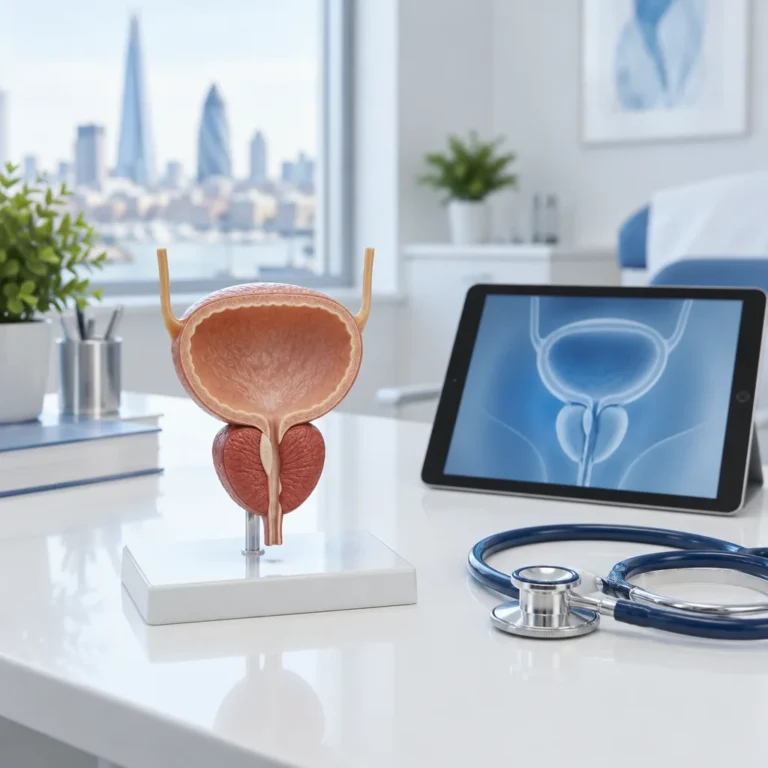
Interstitial cystitis causes pain in the bladder, lower abdomen or back, with a frequent or urgent need to pass urine. Many people wake at night to go. The pain often eases a little after emptying the bladder. Symptoms tend to come and go, with flare-ups between calmer spells. The symptoms of bladder pain syndrome are more common in women and usually start after the age of 40.
As of 2026, the cause is still not fully understood. The inner lining of the bladder becomes irritated and inflamed. One theory is a weak spot in that lining, which lets substances in urine reach the nerves underneath. That idea helps explain why some foods and drinks bring on pain.
Why Can Food Make Bladder Pain Worse?
Researchers have suggested several links between diet and bladder pain. Acidic foods, foods high in potassium, caffeine and alcohol all change what reaches the bladder lining. Nerves in the pelvis can also become more sensitive over time. Signals from the bowel may then add to bladder pain, a process sometimes called organ cross-talk.
This explains why triggers differ so much. A drink that sets off one person’s pain may cause no problem for another. People who also have irritable bowel syndrome or fibromyalgia may notice more food sensitivities than others.
Which Foods and Drinks Are Common Triggers?
The 2007 survey asked 104 patients about 175 individual foods, drinks and supplements. In all, 35 items were rated as worsening symptoms on average. The ones reported most often, and rated most troublesome, were the following.
- coffee and tea
- fizzy drinks and alcohol
- citrus fruits and their juices
- artificial sweeteners
- hot peppers and spicy food
A 2012 review of diet in bladder pain added tomatoes and vitamin C supplements to this list. Some patients in the surveys felt better after calcium glycerophosphate or sodium bicarbonate. Check with a pharmacist before trying either, as they do not suit everyone.
How Do You Find Your Own Triggers?
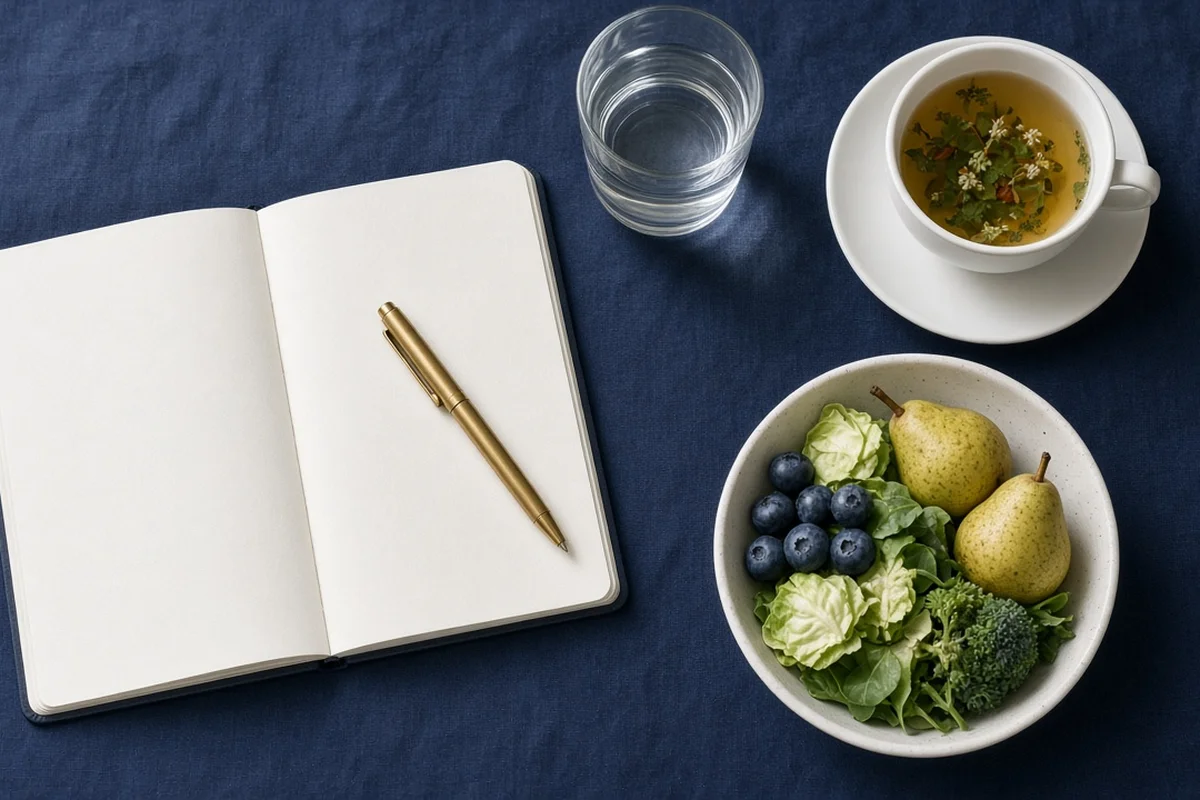
Start with a food and symptom diary for 2 weeks. Note what you eat and drink, the time, and any pain or urgency in the hours afterwards. Patterns often show up that you would not spot from memory.
Next, try a short elimination diet. Remove the most likely triggers from your diary for a set period, usually a few weeks. Then add one item back every few days and record what happens. The 2012 review recommends this controlled approach because it finds real triggers while keeping your diet balanced.
Keep the list of foods you avoid as short as you can. Cutting out whole food groups without a reason can leave gaps in fibre, calcium or vitamins. A dietitian can help if your diet becomes very restricted.
What Should You Drink?
Water is the safest choice for most people. Many people with bladder pain drink less to avoid trips to the toilet. That backfires, because strong, concentrated urine can irritate the bladder and add to urgency.
If coffee is a clear trigger, decaffeinated versions may be easier to tolerate. Some people switch to herbal teas that are not citrus based. Alcohol is worth cutting back first, as it is one of the most commonly reported problems.
What Does the Research Show About Diet and Bladder Pain?
The evidence for diet is real but limited. Most studies ask patients what they notice, rather than test foods under controlled conditions. In the 2007 survey, people whose symptoms worsened with food also tended to have higher pain and urgency scores. Allergies did not explain the link.
Diet sits within a wider plan. Mr Malde was lead author of a 2018 review of national and international guidelines on bladder pain syndrome. It found the guidelines agree that treatment should start with the most conservative steps and build up. Those steps include behavioural, physical and psychological support. The review also noted that the evidence for most treatments in this condition is of low quality.
So a diet change is a reasonable first step, but it is rarely the whole answer. Medicines, bladder training, pelvic floor physiotherapy and pain support may all play a part.
What Else Helps Alongside Diet?
Regular low-impact exercise, such as walking, swimming or yoga, may help some symptoms. Relaxation methods help some people manage flare-ups. Bladder retraining can slowly stretch the time between trips to the toilet.
When diet and simple measures are not enough, treatment moves on in steps. These include everyday painkillers, medicines for nerve pain and medicines placed directly into the bladder. A small number of people need procedures. Our bladder pain syndrome page explains how specialist assessment works.
When Should You Get Urgent Help?
See a GP if bladder, lower abdominal or back pain does not go away or keeps coming back. The same applies if you are passing urine much more often than usual. Other conditions, such as a urine infection, need ruling out before a diagnosis of bladder pain syndrome is made.
Ask for an urgent GP appointment or contact NHS 111 if you see blood in your urine. Do the same if bladder pain comes with a very high temperature or shivering, as these can be signs of infection.
Call 999 or go to A&E if someone is confused, has slurred speech, is breathing very fast or has blotchy skin. These can be signs of sepsis, which needs treatment in hospital.
What Mistakes Do People Make With an Interstitial Cystitis Diet?
A common mistake is cutting out dozens of foods at once. This makes it hard to tell which change helped, and it can leave the diet short of nutrients.
Another is drinking very little to reduce toilet trips. Concentrated urine can make symptoms worse.
A third is treating diet as the only treatment. If pain persists after a few months of careful changes, it is time for a medical review.
Frequently Asked Questions
What foods should you avoid with interstitial cystitis?
Coffee, tea, fizzy drinks, alcohol, citrus fruit, artificial sweeteners and hot peppers are the triggers people report most. Your own list may be shorter or different.
Is there a set interstitial cystitis diet plan?
There is no single plan that suits everyone. A food diary followed by a short elimination diet is the usual way to find your own triggers.
Can I still drink coffee with bladder pain syndrome?
Some people can manage small amounts or decaffeinated coffee. If coffee clearly brings on pain in your diary, cutting it out is worth a try.
How long does an elimination diet take?
Most people remove likely triggers for a few weeks, then add one food back every few days. The whole process often takes one to two months.
Does drinking more water help interstitial cystitis?
Drinking enough to keep urine pale often helps, because concentrated urine can irritate the bladder. Very large amounts are not needed.
Can diet alone treat interstitial cystitis?
Diet can reduce flare-ups for many people. Most also need other treatment, such as medicines, physiotherapy or bladder training.
Managing Bladder Pain With Confidence
Your diary is the most useful thing to bring, because it turns vague flare-ups into patterns a specialist can act on. Mr Sachin Malde assesses bladder pain, rules out other causes and plans treatment in steps, from diet and bladder training to medicines and procedures. He sees private patients at HCA UK at The Shard, HCA London Bridge Hospital, Cleveland Clinic London and The London Clinic. Bring your food and symptom diary, any urine test results and a list of the treatments you have tried.