

The best treatment for enlarged prostate is the one that matches how much your symptoms bother you, the size of your prostate and what you want to protect, such as sexual function. Many men need only lifestyle changes. Others do well on tablets, a day-case procedure or an operation. No single option suits every man, so the choice is a shared decision.
Mr Sachin Malde, a Guy’s and St Thomas’ consultant urological surgeon since 2016, sits on the European Association of Urology guidelines panel for male urinary symptoms. He co-wrote its 2026 guideline summary. Men often ask him which option suits them and whether an operation is inevitable. This guide explains the condition, the main options, what the evidence shows and how to weigh them up.
Choosing the best treatment for enlarged prostate at a glance
- Mild symptoms: lifestyle changes and regular review are often enough.
- Moderate to severe symptoms: medicines are usually offered first.
- Day-case procedures: prostatic urethral lift and water vapour therapy suit some prostates between 30 and 80 ml.
- Operations: TURP and laser enucleation give the largest, longest-lasting improvement, with more side effects.
- Limit: every option trades benefit against risk, so your priorities shape the answer.

What Is an Enlarged Prostate?
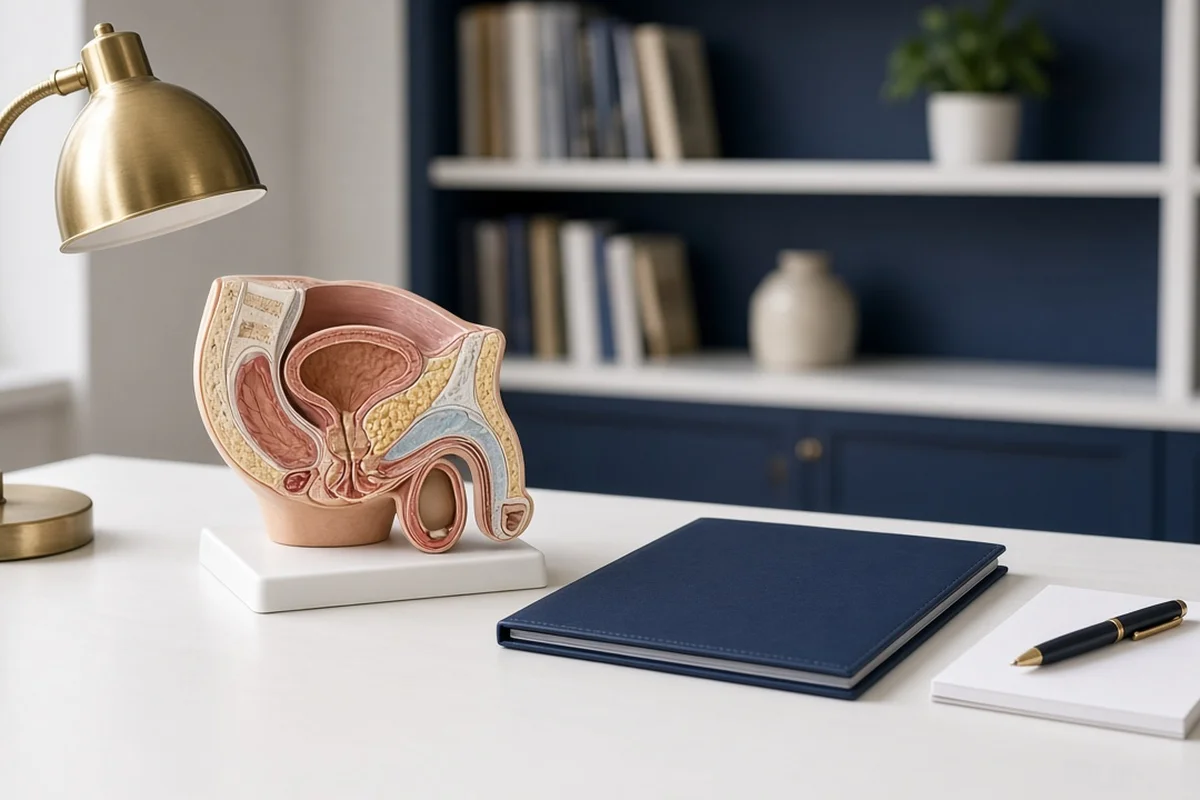
The prostate is a small gland below the bladder. It wraps around the urethra, which drains the bladder. As it grows, it can squeeze that tube. The result is a weak flow, straining, dribbling, and needing to go more often, including at night. The enlarged prostate guide notes it is most common in men over 50.
An enlarged prostate is not cancer and does not raise your risk of prostate cancer. Symptoms can overlap with other conditions, though, so a GP check comes first. Tests usually include a urine sample, a blood test called PSA and a record of how much you drink and pass over 3 days.
Why Is There No Single Right Answer?
Options differ in how much they improve flow, how long they last and what side effects they bring. A treatment that clears symptoms well may affect ejaculation more. A gentler one may need repeating sooner.
Men also value these trade-offs differently. Mr Malde was lead author of a 2021 evidence review comparing medicines and procedures for this condition. It concluded that men should be counselled about every suitable option, because some prefer less benefit in return for fewer side effects. His later work on patient values found that age, symptom severity and sexual activity all shape what men choose.
When Are Lifestyle Changes Enough?
If symptoms are mild and not causing many problems, doctors usually suggest lifestyle changes first. Cutting down on alcohol and caffeine helps, as both make you pass more urine. Drinking less in the hour or two before bed or going out can reduce urgency.
Keeping a healthy weight and avoiding constipation take pressure off the bladder. Some men find that waiting a moment and trying again empties the bladder more fully. UK guidance calls this approach active surveillance, with regular review and treatment if things change.
When Are Medicines the Right Choice?
Medicines are offered when symptoms are moderate or severe and lifestyle changes have not helped. UK guidance on male urinary symptoms recommends an alpha blocker, which relaxes muscle around the prostate. For a prostate estimated at over 30 g, or a PSA above 1.4 ng/ml, a tablet that shrinks the gland may be added.
Medicines are simple to start and stop. They do need taking every day, and each type has side effects. Our guide to treatment without surgery covers medicines in more detail.
When Is a Procedure or Operation Worth Considering?
Surgery is usually offered when symptoms are severe, or when medicines have not worked or are not suitable. It is also discussed when the bladder does not empty well. The main choices fall into two groups.
Day-case procedures aim to open the channel without removing tissue. Prostatic urethral lift (UroLift) holds the lobes apart with small implants. Water vapour therapy (Rezum) uses steam to shrink tissue over the following months. National guidance supports both for many men with a moderately enlarged prostate.
Operations remove or reshape prostate tissue. Transurethral resection (TURP) is the most common. Holmium laser enucleation (HoLEP) is an alternative at specialist centres. Our prostate treatments page lists the procedures Mr Malde offers.
What Does the Evidence Show?
The 2021 review found that laser enucleation gave the greatest long-term improvement in flow and symptoms, with the lowest re-treatment rate. Photoselective vaporisation, TURP and aquablation followed. Prostatic urethral lift, water vapour therapy and prostate artery embolisation gave similar results for glands up to 80 ml. All three worked better than medicines alone.
Sexual side effects follow a different order. Prostatic urethral lift had the lowest rate of sexual problems in the review, followed by water vapour therapy. TURP sits at the other end. Its patient leaflet reports dry ejaculation in between 65% and 75% of men afterwards.
So the evidence does not crown one winner. It shows a ladder, with more durable relief at one end and fewer side effects at the other.
Which Factors Change the Answer?
- Prostate size: day-case procedures are assessed for glands of about 30 to 80 ml. Very large glands may suit enucleation or, rarely, open surgery.
- Sexual function: if keeping ejaculation matters, gentler procedures may appeal more.
- Bladder emptying: a catheter or urine left behind points towards a more definitive operation.
- General health: blood-thinning medicines and fitness for anaesthetic affect which options are safe.
- Durability: the gentler the treatment, the more likely you are to need another one later.
What Are the Risks?
Every option carries some risk. Medicines can cause dizziness or ejaculation changes. Procedures bring a short spell of burning, bleeding or frequency. Operations carry the risks of anaesthesia and, less often, bleeding, infection or a narrowed urethra. Your own unit’s figures may differ from published ones, so ask for them.
When Should You Seek Urgent Help?
See a GP if you have trouble passing urine or need to go more often. Ask for an urgent GP appointment or call NHS 111 if you see blood in your urine, have pain when passing urine or cannot pass urine at all.
Call 999 or go to A&E if you feel confused, are breathing very fast, have blotchy skin or feel very hot or shivery and unwell. These can be signs of sepsis from a urine infection and need hospital treatment.
What Mistakes Do Men Make When Choosing?
The first is assuming the strongest operation is always the best treatment for enlarged prostate. For a man who values ejaculation, a gentler option may suit him better.
The second is putting up with poor emptying for years. Urine left in the bladder can lead to infections and harder decisions later.
The third is choosing before tests are done. Flow tests, a bladder scan and sometimes a camera check show which options will work.
Frequently Asked Questions
What is the most common operation for an enlarged prostate?
TURP is the operation most often offered. Part of the prostate is removed through a thin tube passed up the urethra.
Can an enlarged prostate be treated without an operation?
Yes. Many men manage with lifestyle changes or medicines, and day-case procedures avoid removing tissue.
Which treatment has the fewest sexual side effects?
In Mr Malde’s 2021 review, prostatic urethral lift had the lowest rate of sexual problems, followed by water vapour therapy.
Which treatment lasts longest?
Laser enucleation gave the greatest long-term improvement and the lowest re-treatment rate in the same review.
Do I need treatment if my symptoms are mild?
Not always. If symptoms are not troubling you, lifestyle changes and regular review are a reasonable plan.
Does an enlarged prostate turn into cancer?
No. An enlarged prostate is not caused by cancer and does not raise your risk of it.
Choosing Your Prostate Treatment With Confidence
A good choice starts with knowing your prostate size, how well your bladder empties and what matters most to you. Mr Sachin Malde offers medicines, day-case procedures and operations, so he can talk through each option without steering you to one. His private clinics are at HCA UK at The Shard, HCA London Bridge Hospital, Cleveland Clinic London and The London Clinic. Before your visit, note which symptoms bother you most and whether keeping ejaculation is important to you.