

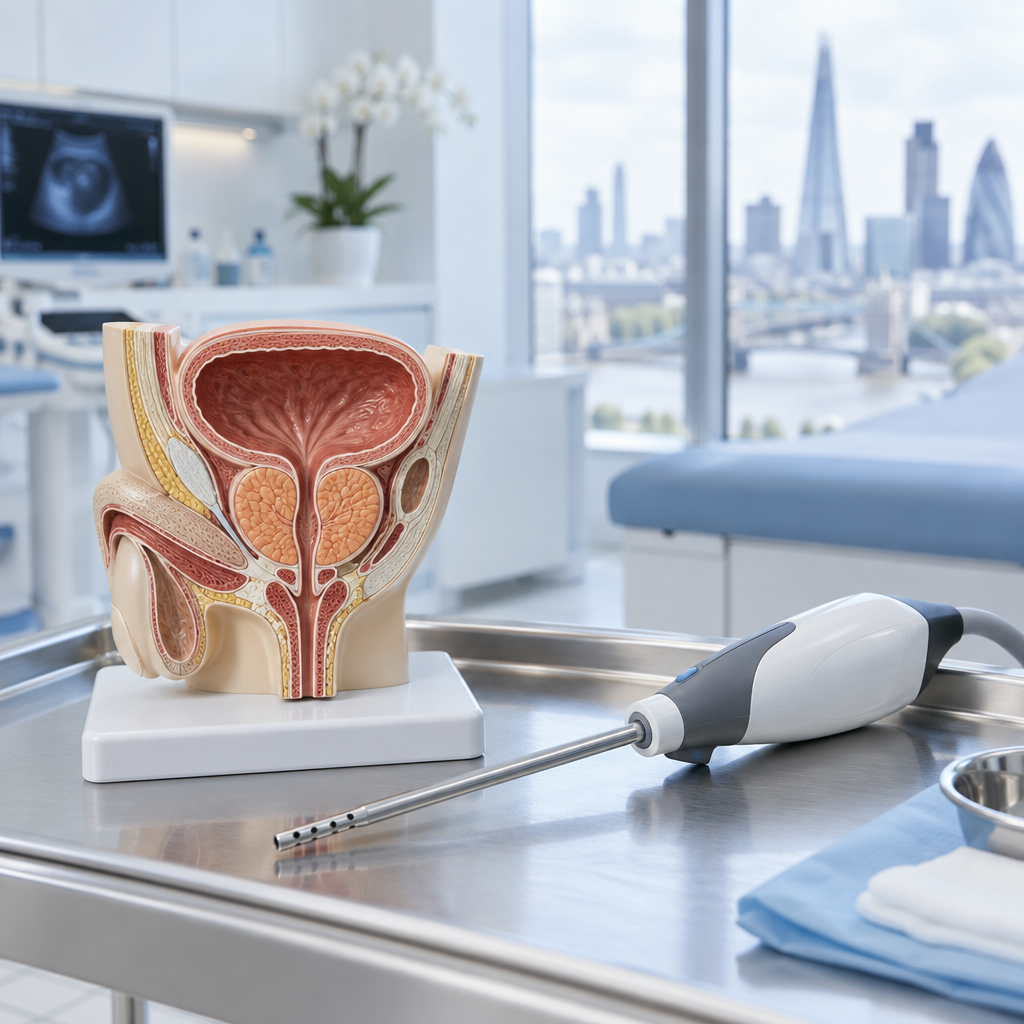
Benign Prostatic Hyperplasia (BPH) is a common condition affecting many men as they age, leading to an enlarged prostate gland. This growth can cause disruptive urinary symptoms, such as a frequent need to urinate, a weak stream, and difficulty starting or stopping, which can profoundly affect a man’s quality of life. Rezum water vapour therapy has emerged as a promising, minimally invasive treatment that uses the natural energy in steam to treat excess prostate tissue. By delivering targeted, controlled doses of water vapour into the enlarged tissue, Rezum initiates a process where the treated cells are destroyed and gradually absorbed by the body, shrinking the prostate and alleviating BPH symptoms.
The Advantages of Choosing Rezum Treatment
Rezum offers compelling advantages over traditional surgical methods, making it an attractive option for many men with BPH. Its minimally invasive approach means a quicker recovery and a more comfortable patient experience. A key benefit is its ability to preserve sexual function, a common concern with other BPH treatments. The precision of the water vapour therapy targets only obstructive prostate tissue, minimising the risk of damage to surrounding nerves crucial for erectile and ejaculatory function. This combination of efficacy and a favourable side-effect profile makes Rezum a highly attractive option for men seeking lasting relief from BPH symptoms without compromising their quality of life.
A Minimally Invasive and Rapid Procedure
Rezum therapy’s minimally invasive nature is a significant advantage. Performed through the urethra, it requires no external incisions or stitches, reducing the risk of complications like bleeding and infection. Typically conducted in an outpatient setting under local anaesthesia or light sedation, the treatment is quick, often completed in under 30 minutes. Patients can return home the same day, with a substantially shorter recovery period than more invasive surgical options. This convenience and reduced physical impact make Rezum an appealing choice for active men who wish to return to their normal routines swiftly, with minimal disruption.
Preservation of Sexual and Ejaculatory Function
Preserving sexual health is a primary concern for many men undergoing BPH treatment. Traditional surgeries carry a notable risk of side effects like erectile dysfunction and retrograde ejaculation. Rezum therapy has a distinct advantage here, with clinical studies consistently showing a very low incidence of causing new, long-term erectile or ejaculatory dysfunction. The targeted application of steam energy allows for the precise removal of obstructive prostate tissue while carefully avoiding the delicate nerves and muscles that control sexual function. This preservation of sexual health is a crucial factor for many men and their partners, making Rezum a preferred option.
Effective and Long-Lasting Symptom Relief
Rezum therapy delivers effective and durable relief from the burdensome symptoms of BPH. Patients typically notice significant improvement in urinary flow and a reduction in symptoms like frequency and urgency within a few weeks, with optimal results achieved within about three months. The relief is not temporary; long-term studies show that the positive outcomes are sustained for at least five years for most patients. This longevity means many men can avoid or discontinue long-term BPH medications, which often come with their own side effects and the inconvenience of a daily regimen. The ability to undergo a single, minimally invasive procedure that provides lasting results is a powerful motivator for choosing Rezum.
The Disadvantages and Considerations of Rezum
Despite its many benefits, it is important to have a balanced understanding of the potential downsides of Rezum therapy. While less invasive than surgery, it is not without discomfort or a recovery period. Patients will experience some temporary side effects as the body heals. Additionally, Rezum is not a one-size-fits-all solution; its suitability depends on the individual’s prostate anatomy and size. A thorough evaluation by an experienced urologist is essential to determine if a patient is a good candidate. Understanding these potential drawbacks allows for a more realistic expectation of the treatment journey.
Post-Procedure Recovery and Temporary Side Effects
Following the Rezum procedure, patients should anticipate a recovery period with some temporary side effects. Urinary symptoms may worsen slightly before they improve due to initial swelling. A catheter is typically required for a few days to a week to help the bladder empty. During the healing phase, which can last several weeks, patients may experience discomfort, such as a burning sensation during urination, and may notice blood in their urine or semen. These side effects are a normal part of the body’s healing response and are generally mild and self-resolving. Following post-procedure care instructions is crucial for a smooth outcome.
Patient Suitability and Anatomical Limitations
Rezum therapy is highly effective but not suitable for every man with BPH. Its success depends on the size and shape of the prostate. Men with very large prostates (over 80-100 grams) may not be ideal candidates, as the steam may not treat the entire volume of excess tissue. The presence of a middle lobe, a specific type of prostate growth, can also make the procedure more challenging. Patients with pre-existing conditions like a penile prosthesis or an artificial urinary sphincter are not candidates. A comprehensive assessment by a urologist like Mr Sachin Malde, who offers all treatment options for this condition, is crucial to determine if Rezum is the most appropriate treatment.
Conclusion
Choosing the right BPH treatment is a personal decision that requires careful consideration of the pros and cons of each option. Rezum water vapour therapy offers a compelling package: a minimally invasive procedure, preservation of sexual function, and lasting symptom relief. However, these advantages must be weighed against the temporary recovery period and its suitability limitations. The key to an informed choice lies in a thorough discussion with a specialist urological surgeon who can provide a comprehensive evaluation and personalised advice. An expert like Mr Sachin Malde can help you navigate the complexities of BPH treatment, ensuring the chosen path aligns with your health needs and lifestyle.
If you are struggling with BPH symptoms and wish to explore your treatment options, we encourage you to schedule a consultation with Mr Sachin Malde to determine if Rezum is the right choice for you.
Frequently Asked Questions (FAQs)
How long does it take to see results after Rezum treatment?
While some patients notice improvements within a couple of weeks, it typically takes up to three months to experience the full benefits of the Rezum procedure as the treated prostate tissue gradually shrinks.
Will I need to take medication for BPH after the Rezum procedure?
A significant advantage of Rezum is that it often eliminates the need for ongoing BPH medication. Most patients can stop their daily prostate medications after successful treatment.
Is the Rezum procedure painful?
The procedure is performed under local anaesthesia or light sedation to minimise discomfort. While you may feel some pressure or a warming sensation, it is generally not considered painful. Post-procedure discomfort is temporary and part of the healing process.
How does Rezum compare to more traditional surgery like TURP?
Rezum is significantly less invasive than Transurethral Resection of the Prostate (TURP), with a quicker recovery and a much lower risk of impacting sexual function. TURP may provide more dramatic initial symptom improvement but has a higher risk of complications.
Can Rezum treatment be repeated if my symptoms return?
Yes, Rezum can be repeated if BPH symptoms recur over time. The need for retreatment is low within the first five years, but it remains a viable option for the future if necessary.