

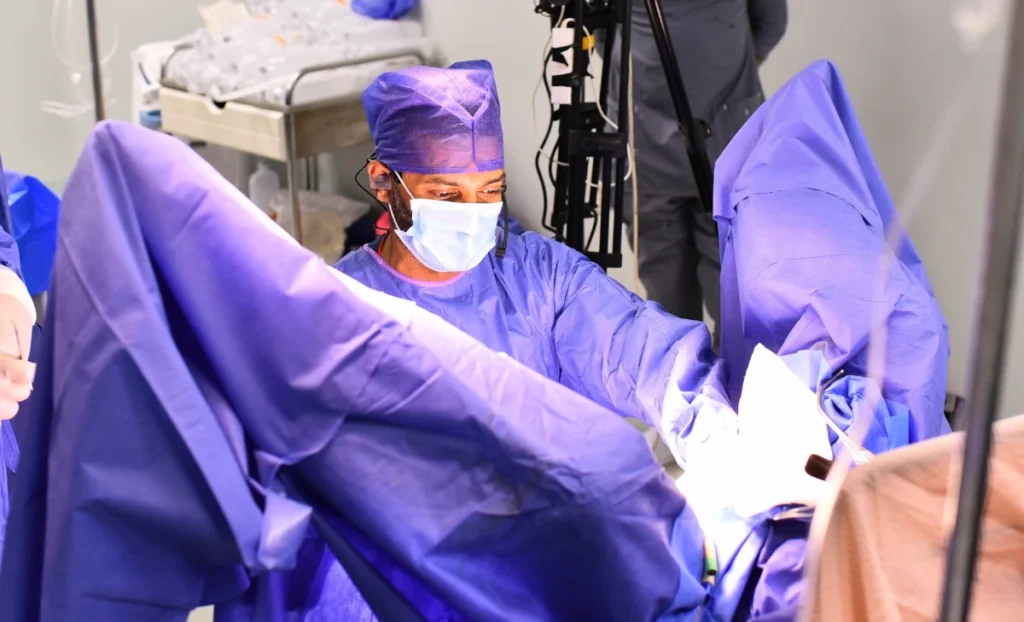
A cystoscopy is a common and valuable diagnostic procedure that allows a urologist to examine the lining of the bladder and urethra. While generally considered safe, understanding the recovery process and adhering to specific restrictions is crucial for a smooth and complication-free healing period. Mr Sachin Malde, a distinguished Consultant Urologist, provides this comprehensive guide to help patients navigate the post-cystoscopy recovery phase with confidence.
Understanding the Immediate Post-Cystoscopy Period
Following a cystoscopy, it is normal to experience some mild and temporary side effects. These are typically a result of the instrument’s passage through the urethra and the bladder’s response to the examination. Patients may notice a burning sensation during urination, a more frequent need to visit the lavatory, and a small amount of blood in the urine, which may appear as a pinkish tinge. These symptoms are generally short-lived and should resolve within a day or two. Mr Sachin Malde reassures his patients that these are expected bodily responses and not usually a cause for alarm. The urethra, a sensitive structure, can become temporarily inflamed from the cystoscope, causing a burning sensation (dysuria). The bladder’s reaction can cause urinary frequency and urgency, which subsides as inflammation decreases. A pinkish tinge in the urine, from minor urethral abrasions, is normal if it remains light.
Activities to Avoid for a Safe Recovery
To facilitate a swift and uncomplicated recovery, it is essential to avoid certain activities that could strain the urinary system or introduce complications. Mr Sachin Malde emphasizes the importance of adhering to these restrictions to allow the body adequate time to heal.
Strenuous Physical Exertion
One of the most critical restrictions following a cystoscopy is the avoidance of strenuous physical activity. This includes, but is not limited to, heavy lifting (anything over 10 pounds or 5 kilograms), vigorous exercise such as jogging, cycling, or aerobics, and any physically demanding work. Engaging in such activities can increase pressure on the bladder and urethra, potentially leading to increased bleeding or discomfort. Mr Sachin Malde advises his patients to take a temporary break from their usual exercise routines and to avoid any activities that cause them to strain or bear down. This prevents sudden increases in intra-abdominal pressure, which can pressure the bladder, exacerbating bleeding or causing complications. Even carrying shopping bags or lifting a child can be detrimental. A cautious approach to physical activity is paramount.
Dietary and Lifestyle Choices
Certain dietary and lifestyle choices can also impact the recovery process. It is advisable to abstain from alcohol, including beer and wine, for at least 24 to 48 hours after the procedure. Alcohol can irritate the bladder and may interfere with the healing process. Similarly, spicy foods and caffeinated beverages can also act as bladder irritants and should be avoided during the initial recovery period. Mr Sachin Malde also counsels his patients to refrain from smoking, as it can impair the body’s natural healing mechanisms. Nicotine, a vasoconstrictor, narrows blood vessels, reducing blood flow and depriving healing tissues of essential oxygen and nutrients. Smoking also increases the risk of post-operative infections.
Sexual Activity
Sexual activity should be postponed until there is no longer any blood in the urine. This is a key indicator that the urethra has sufficiently healed. Engaging in sexual activity too soon can cause further irritation and potentially introduce bacteria into the urinary tract, increasing the risk of infection. Mr Sachin Malde provides personalized advice to his patients on when it is safe to resume sexual activity, based on their individual recovery progress. The timeframe varies from days to weeks, depending on the procedure and healing capacity. It’s not just about the absence of blood, but also the cessation of discomfort. Patience is crucial to prevent recovery setbacks.
Recommended Practices for a Smooth Recovery
While there are restrictions to follow, there are also several proactive measures that can be taken to promote a comfortable recovery.
Hydration and Diet
Drinking plenty of water is one of the most effective ways to aid recovery. Water helps to flush out the bladder, dilute the urine, and reduce the burning sensation during urination. Aim to drink consistently throughout the day. A balanced and gentle diet is also recommended. Opt for non-spicy, non-acidic foods that are easy to digest. Acidic foods and drinks can irritate the bladder. A bland, high-fibre diet is ideal to prevent constipation and straining, giving your pelvic region a rest for optimal healing.
Rest and Gentle Activity
Rest is paramount in the initial days following a cystoscopy. Listen to your body and rest when you feel tired. While strenuous exercise is off-limits, gentle walking is encouraged. Short, regular walks can help to prevent blood clots and promote circulation without putting undue stress on the body.
Pain Management
Over-the-counter pain relievers, such as paracetamol, can be effective in managing any discomfort. A warm bath can also help to soothe the perineal area and alleviate any soreness. However, it is always best to consult with your healthcare provider before taking any medication or if you have any concerns. This is crucial if you take other medications due to potential interactions. Mr Sachin Malde ensures patients are informed about pain management and contraindications.
When to Seek Medical Advice
While most patients recover from a cystoscopy without any issues, it is important to be aware of the signs of potential complications. Mr Sachin Malde advises his patients to seek medical attention if they experience any of the following:
- Persistent or Worsening Pain: While some discomfort is normal, severe or worsening pain is not.
- Heavy Bleeding: A small amount of blood is expected, but heavy bleeding or the presence of blood clots is a cause for concern.
- Inability to Urinate: If you are unable to pass urine, it is important to seek immediate medical help.
Signs of Infection: Symptoms of a urinary tract infection (UTI) include a high temperature, shivering, and cloudy or foul-smelling urine.
Conclusion
A cystoscopy is an essential diagnostic procedure that plays a key role in identifying and managing a wide range of urological conditions. By carefully following post-procedure advice and temporary activity restrictions, patients can support a smooth, safe, and speedy recovery. Clear guidance, reassurance, and attentive aftercare all contribute to minimising discomfort and promoting confidence during the healing process.
Under the care of Mr Sachin Malde, patients benefit from a truly patient-centred approach at every stage. From the initial consultation to post-procedure follow-up, his team is committed to ensuring clarity, comfort, and peace of mind. The focus is not only on clinical success but also on delivering a calm, supportive, and stress-free experience tailored to individual needs.
Frequently Asked Questions (FAQs)
How long does it take to recover from a cystoscopy?
Recovery times can vary, but most people feel back to normal within a day or two. Mr Sachin Malde advises that minor symptoms like a burning sensation when urinating may last for a couple of days.
Can I drive myself home after a cystoscopy?
This depends on the type of anaesthesia used. If you have a local anaesthetic, you can usually drive home. However, if you have a general anaesthetic or sedation, you will need someone to drive you home and stay with you for 24 hours. Mr Sachin Malde will provide specific instructions based on your procedure.
When can I return to work after a cystoscopy?
Most people can return to work the day after their cystoscopy, especially if they have a desk-based job. If your job is physically demanding, you may need to take a few more days off. Mr Sachin Malde will provide personalized advice on when it is safe for you to return to work.
Is it normal to see blood in my urine after a cystoscopy?
Yes, it is quite common to see a small amount of blood in your urine for a day or two after the procedure. This may make your urine look pink. If the bleeding is heavy or you are passing blood clots, you should contact your doctor. Mr Sachin Malde prepares his patients for this possibility to avoid any undue anxiety.
What are the signs of a urinary tract infection (UTI) after a cystoscopy?
Signs of a UTI include a high temperature, feeling shivery, pain in your lower back or abdomen, and your urine being cloudy or foul-smelling. If you experience any of these symptoms, it is important to seek medical advice. Mr Sachin Malde is vigilant about post-procedure monitoring to prevent and manage any potential complications.
Can I take a bath after a cystoscopy?
A warm bath is often recommended to help soothe any discomfort in the perineal area. However, it is advisable to avoid very hot baths and to not soak for excessively long periods. It is also important to ensure that the bathtub is clean to minimise the risk of infection. Mr Sachin Malde will provide specific guidance on this based on your individual circumstances.
What should I do if I have a question or concern after my cystoscopy?
If you have any questions or concerns, no matter how minor they may seem, it is always best to err on the side of caution and contact your healthcare provider. Mr Sachin Malde and his team are available to provide advice and reassurance. It is better to ask and be told that everything is normal than to worry unnecessarily or to delay seeking help for a potential complication.